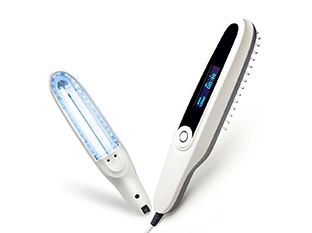
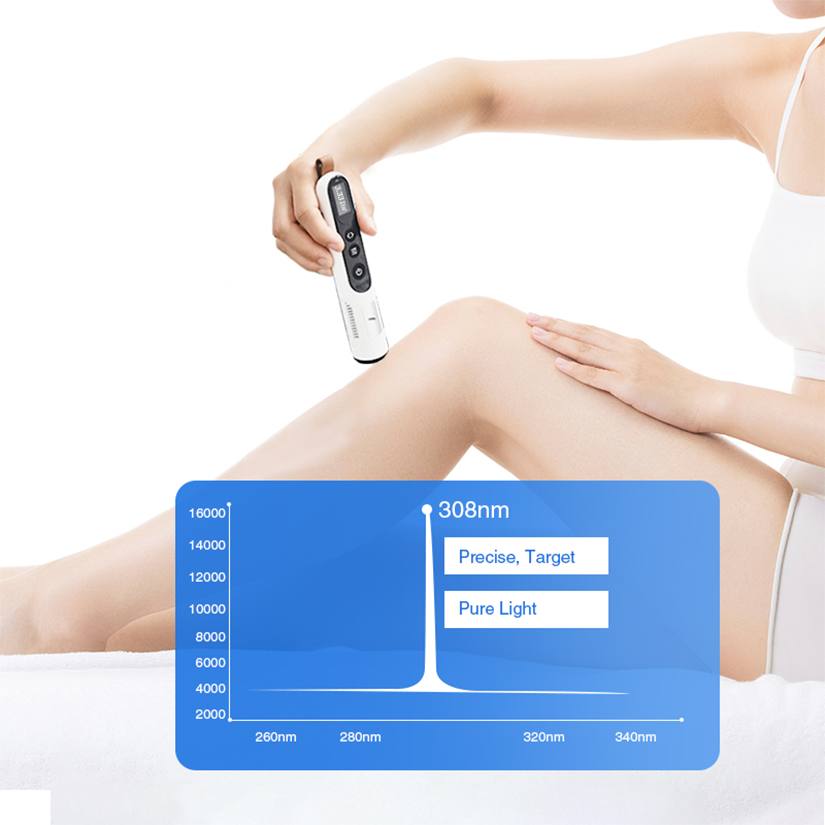
As healthcare systems worldwide shift toward patient-centered care,home-based phototherapyhas gained increasing attention. Once limited to hospital dermatology departments, UVB treatment is now becoming more accessible through portable, intelligently designed devices.
Chronic skin conditions such as vitiligo and psoriasis often require long-term, consistent treatment. Frequent hospital visits can be time-consuming and costly, leading many patients to discontinue therapy prematurely. Home phototherapy offers a practical alternative, allowing patients to maintain treatment schedules without disrupting daily life.
Modern devices integrate precise dose control, digital displays, and safety mechanisms that support responsible use outside clinical settings. These features reflect a broader trend toward decentralizing care while maintaining medical standards.
From a health economics perspective, home phototherapy reduces the burden on healthcare facilities and lowers treatment costs for patients. Over time, consistent at-home treatment can lead to better disease control and fewer acute flare-ups, further reducing long-term medical expenses.
The growing acceptance of home-based UVB therapy represents a shift in how chronic dermatological conditions are managed. By combining clinical science with thoughtful design, phototherapy is becoming not only more effective but also more accessible. This evolution underscores a broader vision of healthcare—one that empowers patients while maintaining evidence-based treatment standards.